The short answer
Repointing is priced mostly by labor, so the cost depends on how much area needs work, how deep and wide the joints are, how irregular the stone is, how hard it is to reach (scaffolding, roofs, chimneys), what mortar is used, and how many stones need resetting or replacing. Repointing only the failed areas, and doing it before water damage spreads, is the best way to keep the cost down. Compare estimates on method, rake-out depth and mortar, not just the number.
"How much will it cost?" is the first question almost everyone asks, and it is a fair one. We do not publish a price per square foot, because two walls that look the same from the street can be very different jobs up close. What we can do is explain exactly what goes into the number, so you can understand any estimate you get, ours included.
What decides the price
How much needs doing
The biggest factor. Joints wear unevenly, and often only the chimney, the weather side or the lower courses need work. Repointing the failed areas and leaving sound mortar alone is both better for the building and kinder to your budget.
The joints themselves
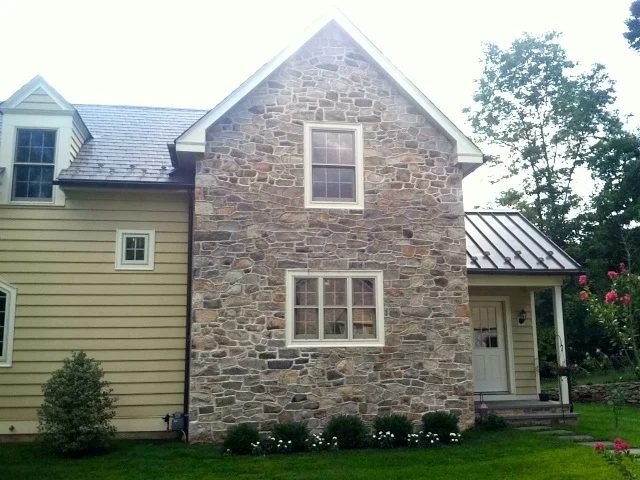
Deep, wide, irregular joints between rubble fieldstone take far longer than thin, even joints between cut stone or brick. Joints are raked out to about two to two and a half times their width, so wider joints mean more raking and more mortar.
The stone
Soft or fragile stone has to be worked around with more care. Loose stones need resetting, and stones that have failed need replacing with a matching piece.
Access
A garden wall at waist height is quick to reach. A three-story gable or a chimney needs scaffolding or roof staging, and that time is part of the job.
The mortar
Lime-rich mortars matched to historic stone take more care to mix, place and cure than bagged cement mortar. They are also the reason the work lasts and the stone survives. See lime vs. Portland cement.
What else is going on
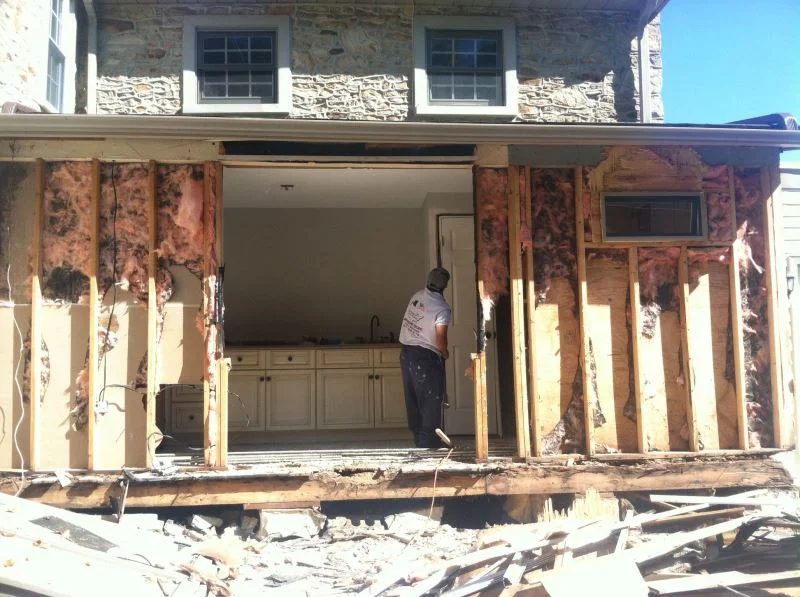
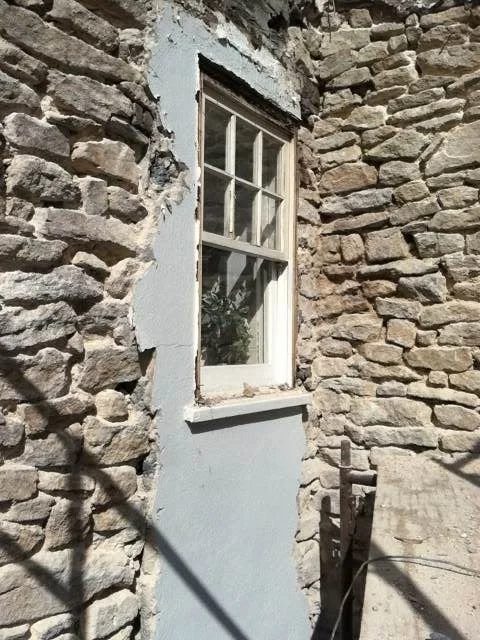
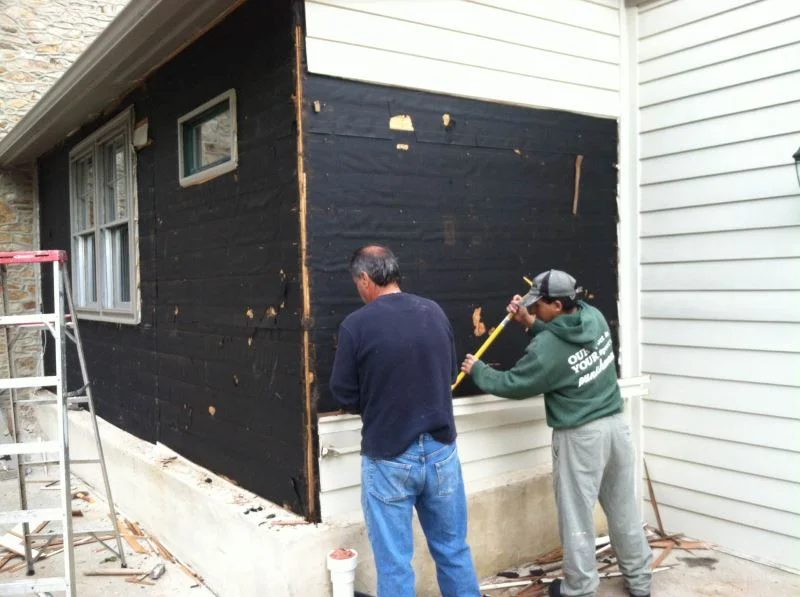
Removing old cement pointing, removing stucco, fixing drainage or rebuilding a crown all add to the scope, and they are often the fixes that stop the problem coming back.
The most expensive repointing is the job done twice
The low quotes we see usually skip the slow parts: shallow rake-out, hard cement smeared over the old joints, no care while it cures. It looks fine for a season. Then it cracks away from the stone, lets water in behind it, and sometimes takes the face of the stone with it when it fails. Undoing that work costs more than doing it right the first time.
The cheapest repointing is the job done early
Joints that are just starting to fail are a repointing job. Joints that have been open for years can mean water-damaged interiors, loose stones, a chimney top that needs rebuilding, or a wall section that has to come down. Catching it early is the best way to save money. Read restore or rebuild?
How to compare estimates
- Does it say how deep the joints will be raked out, and whether by hand or by grinder?
- Does it name the mortar, and is it matched to your stone?
- Does it cover only failed areas, or the whole wall, and why?
- Does it include resetting or replacing stones, cleanup, and protecting fresh work?
- Is the contractor registered in Pennsylvania and insured?
- Who will actually be on your job?
More in how to choose a stone restoration contractor. Or ask us for a free written estimate. We will walk the stone with you and explain every line.
Questions we hear on site
Why is repointing priced by labor and not materials?
Is it cheaper to repoint the whole house at once?
Why are some repointing quotes so much lower?
Do you give free estimates?
Further reading
About the authors
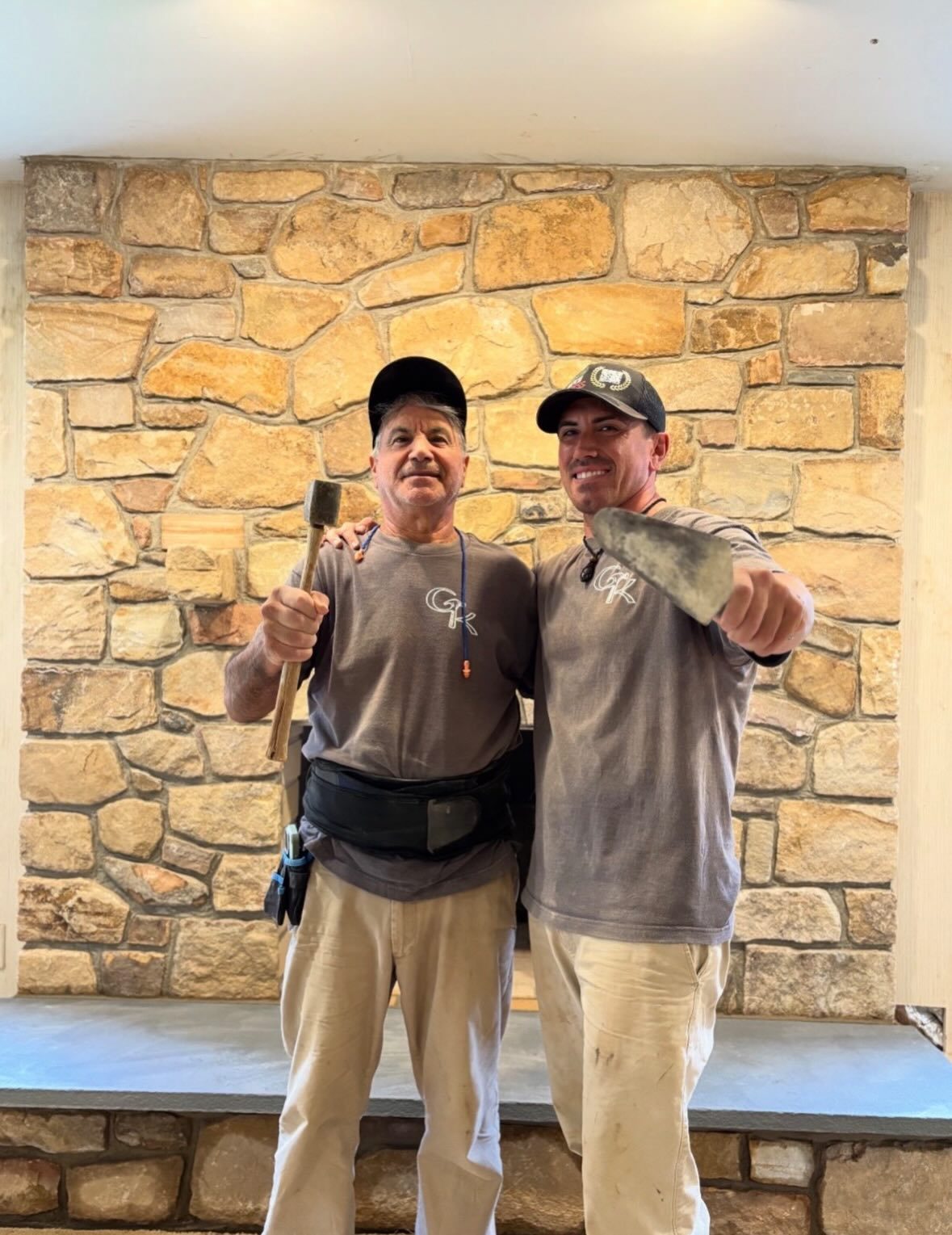
Luciano Sansalone learned stonework at fifteen beside his father and grandfather in Italy and has run American Stone LS in Bucks County for over forty years. His son Alex is the fourth generation. The two of them walk every property, draw every design and set the stone themselves. Read our story.