The short answer
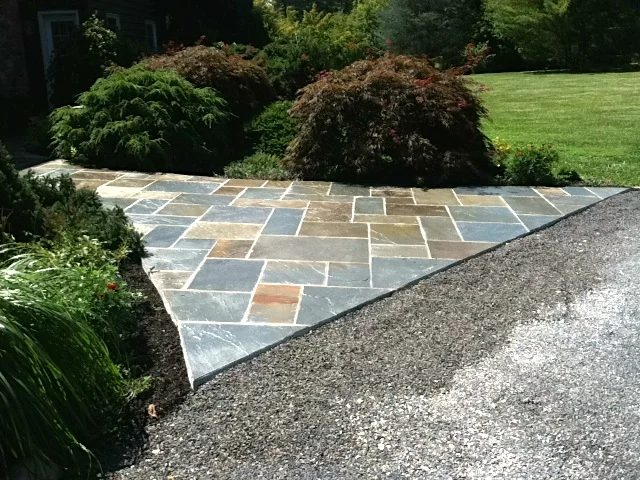
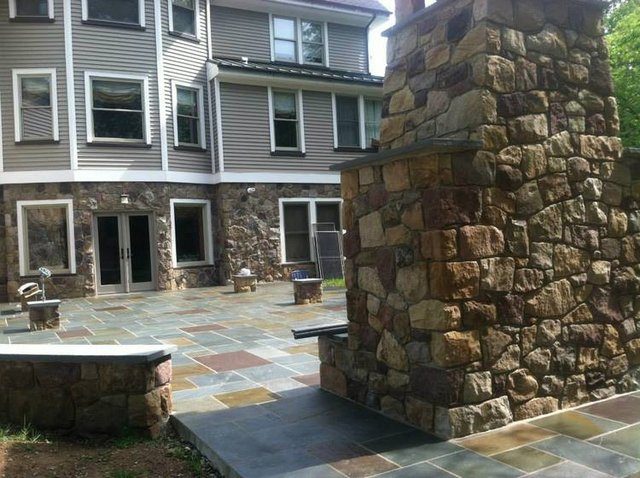
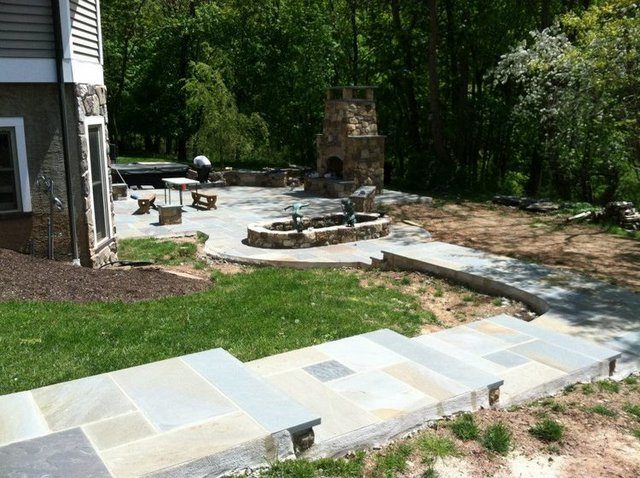
Most flagstone and bluestone patios can be restored instead of replaced. The usual fix is to rake out and repoint the failed joints, reset loose stones on a fresh bed, replace cracked stones with matching ones, and correct the pitch so water runs away from the house. Sealing with a breathable penetrating sealer afterward helps it last. Only a patio that has sunk or heaves everywhere needs to be lifted and relaid on a new base, and even then the original stone can usually go back down.
A good flagstone patio should outlive the house beside it. When one starts to rock underfoot, sprout weeds from every joint and hold puddles after a storm, most people assume they need a new one. Usually they do not. Bluestone and flagstone are tough. What goes wrong is the mortar between the stones and the water that gets under them.
Why patios and walkways fail
Pennsylvania winters freeze and thaw over and over. Every time water gets under a patio and freezes, it lifts the stones a little. When it thaws, they settle back slightly out of place. Joints crack and wash out, stones rock and chip, low spots hold water, and thin stones snap. Read more in what freeze-thaw does to stone.
How we restore a patio, walkway or steps
1. Find out what is underneath
We lift a loose stone or two to see the base. A solid concrete or well-compacted gravel base means the patio can almost always be restored in place.
2. Rake out and repoint the joints
Failed joints are raked out to sound material and refilled firmly, finished tight so water runs across the stone and not into it. Watch Alex repointing a flagstone patio.
3. Reset and replace stones
Rocking stones come up, the bed is remade and they go back down level with their neighbors. Cracked stones are replaced with matching stone cut to the pattern.
4. Fix the pitch and the water
A patio must slope gently away from the house. If yours drains toward the foundation or holds water, we correct it, and we look at the downspouts that dump onto it.
5. Seal it
Once the mortar has cured and the stone is clean and dry, a breathable penetrating sealer helps keep water, salt and stains out.
Historic stone steps and entrance walks
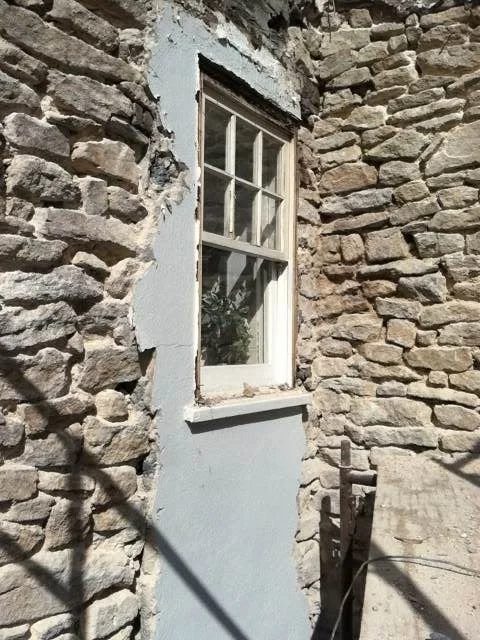
Old stone steps carry a lot of history and a lot of feet. We reset treads, repoint, rebuild settled landings and replace only the stones that cannot be saved. Alex filmed us restoring stone steps built in the 1930s and an entrance patio in Bucks County.
When it needs a new base
If the whole patio has sunk, heaves every winter or was laid straight on soil, repointing will only buy a season or two. Then the honest answer is to lift the stone, build a proper base pitched to drain, and relay it. We reuse your original stone, which keeps the character and keeps the cost down. More in how to save a flagstone patio.
Questions we hear on site
Can my old flagstone patio be saved?
Why does my patio have puddles and loose stones?
Do you restore old stone steps?
Should I seal my patio after it is restored?
Is restoring a patio cheaper than replacing it?
Our other restoration services
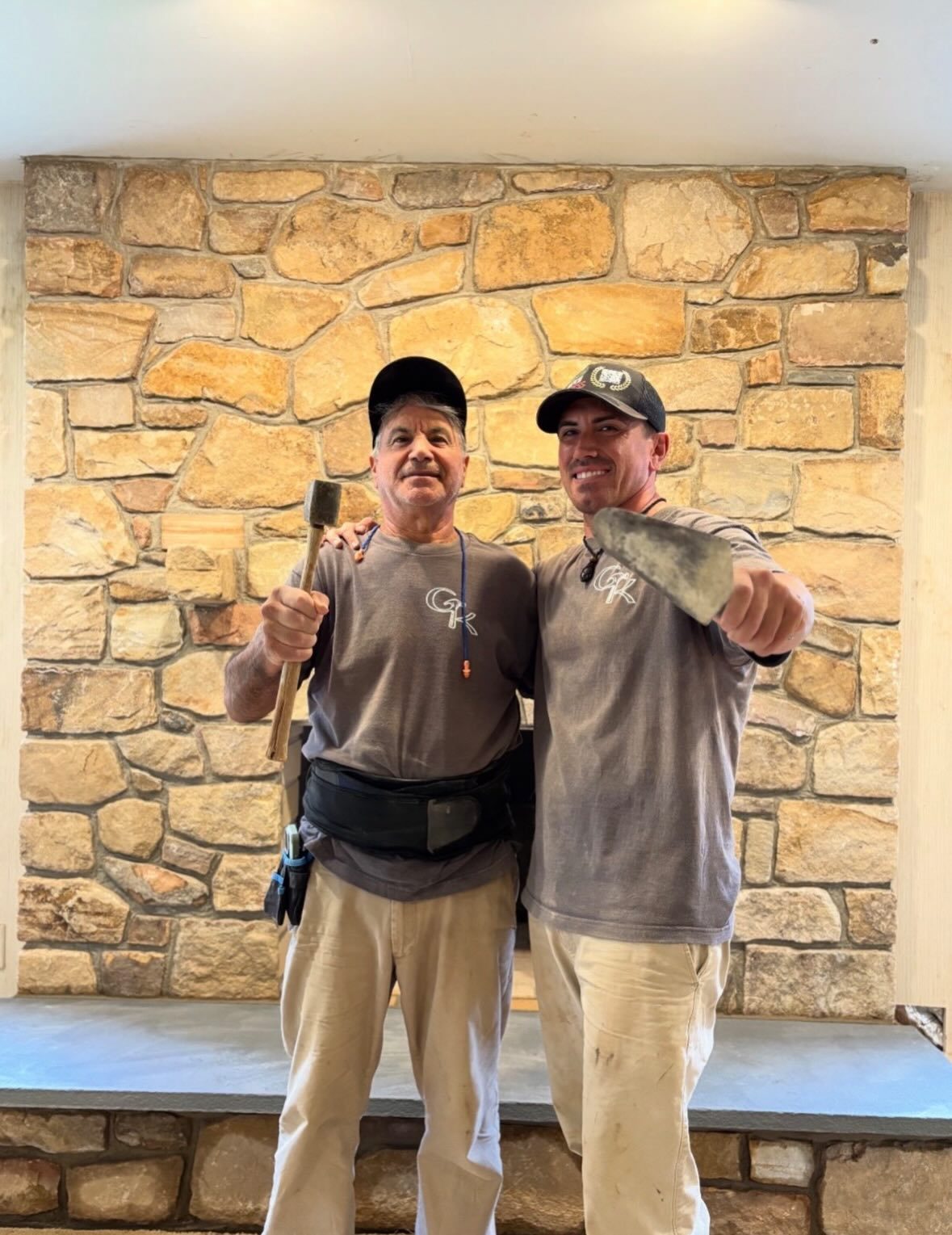
Who does the work
Luciano Sansalone learned stonework at fifteen beside his father and grandfather in Italy and has worked on Bucks County stone for over forty years. His son Alex is the fourth generation. The two of them inspect every property and do the work themselves. Read our story.