The short answer
Hire a stone restoration contractor who can show you restorations like yours, explains how deep they will rake out the joints and whether by hand, names the mortar and why it suits your stone, talks about where the water is coming from before you ask, tells you honestly what does not need doing, carries insurance and Pennsylvania contractor registration, gives a written estimate, and tells you who will actually be on site doing the work.
Alex once said that stonemasonry is a dying art. He is right, and restoration is the rarest part of it. Plenty of good contractors lay block and pour concrete. Far fewer can repoint a 1760 farmhouse without harming it, or save a heaving flagstone patio instead of tearing it out. Here are the ten questions we would ask if we were hiring someone to work on our own home.
1. Can I see restorations like mine?
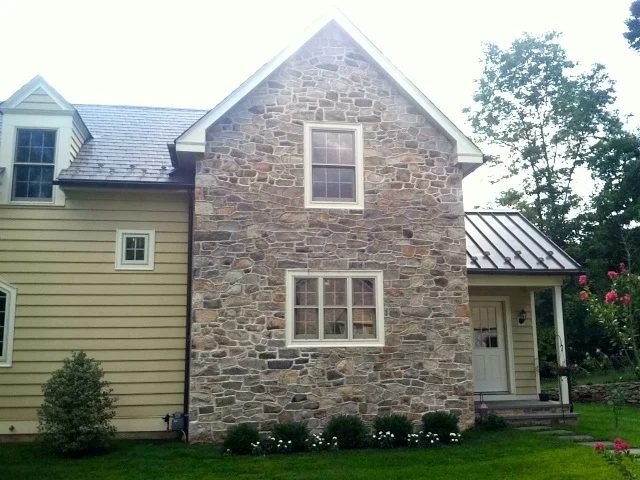
Not renderings, not stock photos. Real jobs, ideally ones you can drive by, and the same kind of work: repointing, historic restoration, patios or walls. A company that mostly does new construction is not automatically the right one for a historic stone house. Our portfolio and Alex's job-site videos on Instagram are there for exactly this reason.
2. How will you take out the old mortar?
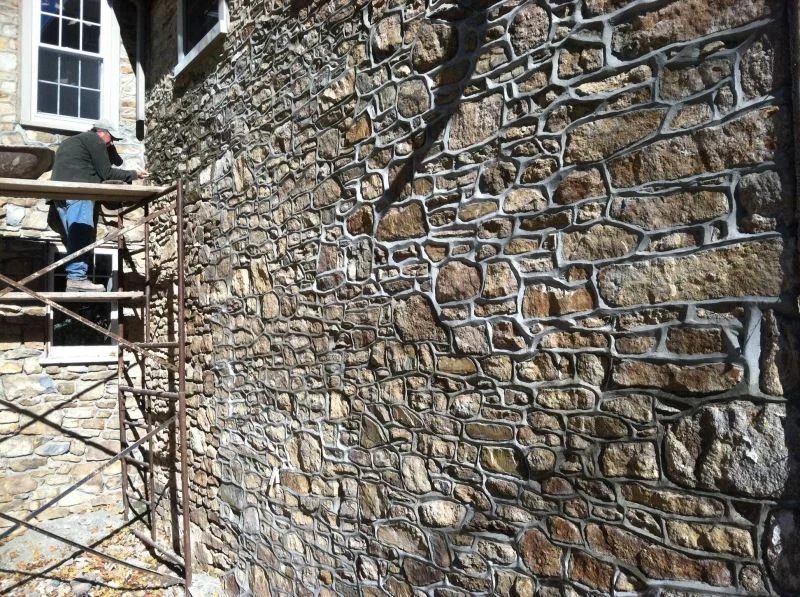
The answer should be: raked out by hand, to sound material, commonly two to two and a half times as deep as the joint is wide. Power grinders in inexperienced hands widen joints and chip the edges of old stone. Smearing new mortar over old joints without raking them out is not repointing at all.
3. What mortar will you use, and why?
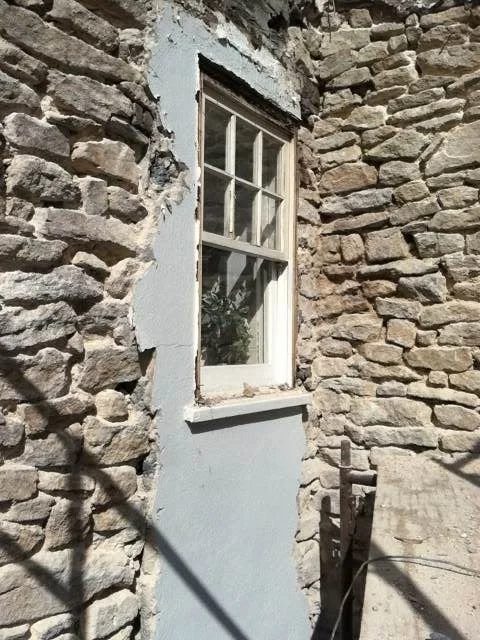
For an old stone house, the answer should be a lime-rich mortar softer than the stone, matched in color, sand and texture. If they plan to repoint an 18th-century house with straight Portland cement, keep looking. Here is why it matters.
4. Where is the water coming from?
Gutters, downspouts, grading, chimney crowns, wall caps, drainage behind retaining walls, pitch on patios. Water is what destroys stonework, and a good restoration contractor talks about it before you ask. Repointing without fixing the water only buys time.
5. Will you seal it, and with what?
For patios, walks and garden walls, the right answer is a breathable penetrating sealer, applied after the joints are repaired and cured. For the walls of an old house, a good contractor will be cautious. Be wary of anyone who wants to coat historic stone walls to "waterproof" them. Read sealing stone walls without trapping water.
6. Who will actually be on my property?
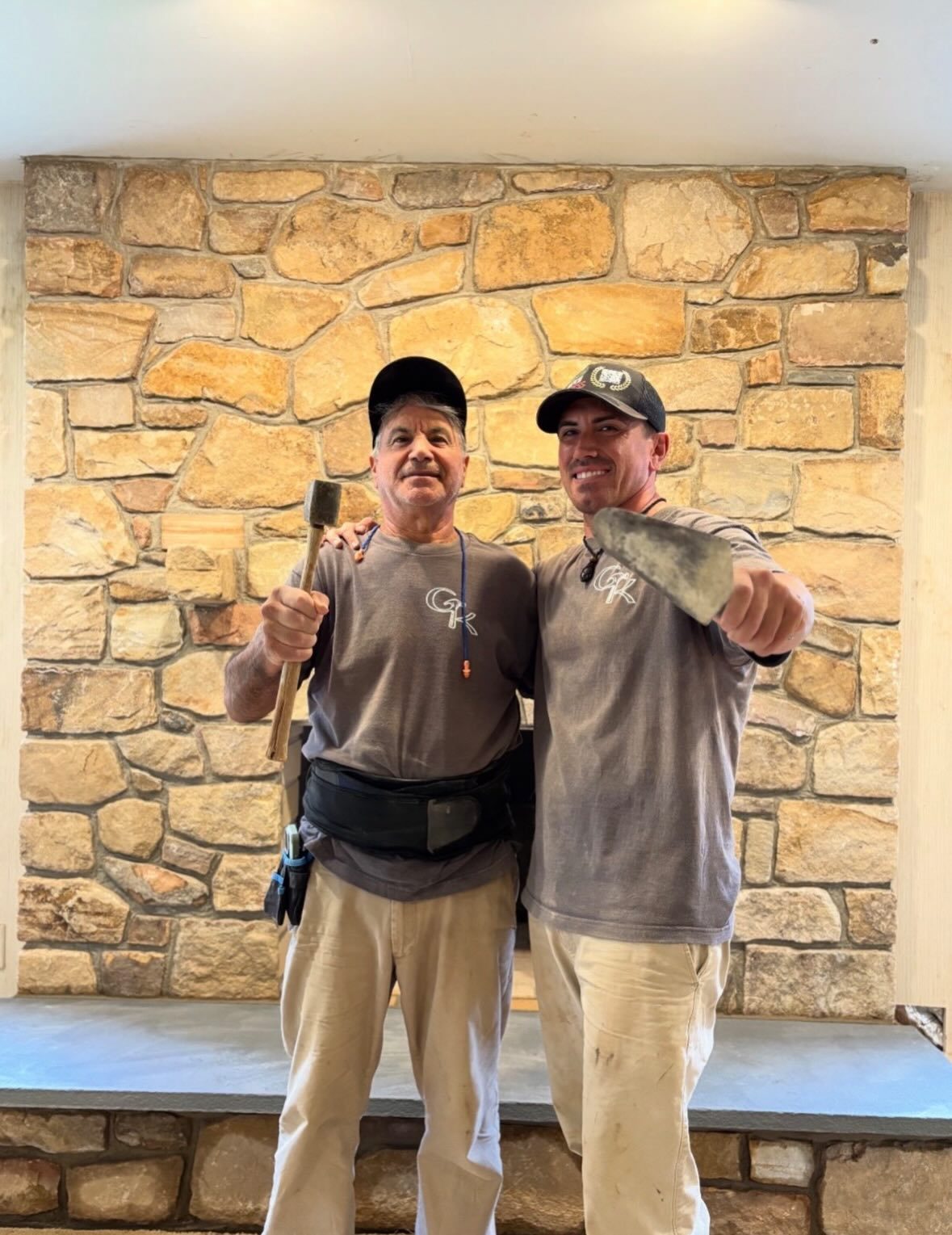
The person who sells the job is not always the person who does it. Ask who inspects it, who sets the mortar and who you call if something comes up. At American Stone LS the answer is Luciano and Alex, with their crew, on every job.
7. Are you insured and registered?
Ask for proof of liability insurance. In Pennsylvania, most contractors doing home improvement work must be registered with the Attorney General's office, and you can look up a registration in a minute.
8. Will the estimate be in writing, and what is included?
A written estimate should spell out which areas will be repointed, the method, the mortar, stone resetting or replacement, drainage work, cleanup and the timeline. When comparing bids, compare the method, not just the total. See what decides the cost of repointing.
9. Will you tell me if I don't need the work?
This is the real test. An honest mason will tell you when only the chimney needs repointing, when a wall can be repaired instead of rebuilt, or when the problem is really your gutters. Read about restore vs. rebuild.
10. How will you leave my property?
Restoration is messy work, but a job site does not have to be. Ask about protecting plantings, windows and patios, daily cleanup and the final cleanup. Our clients tell us the same thing every time: the property was kept immaculate.
Why we wrote this
We would rather you hire well, even if it is not us, than see another beautiful stone house damaged by the wrong mortar or a careless grinder. And if you would like us to answer all ten questions in person, we will walk your property for free and you can ask away.
Questions we hear on site
What is the difference between a mason and a stonemason?
Do Pennsylvania masonry contractors need to be registered?
Should I always take the lowest bid?
Is a free estimate really free?
Further reading
About the authors
Luciano Sansalone learned stonework at fifteen beside his father and grandfather in Italy and has run American Stone LS in Bucks County for over forty years. His son Alex is the fourth generation. The two of them walk every property, draw every design and set the stone themselves. Read our story.