What is repointing, and does my stone house need it?
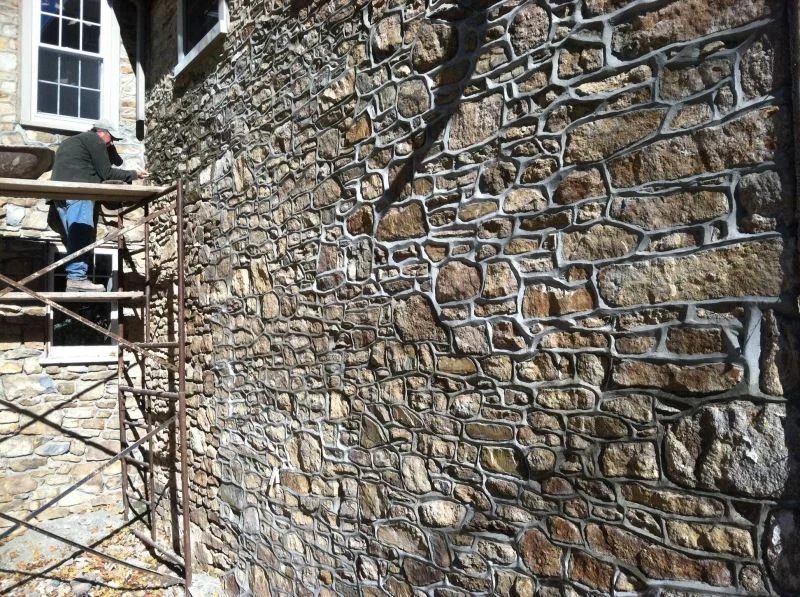
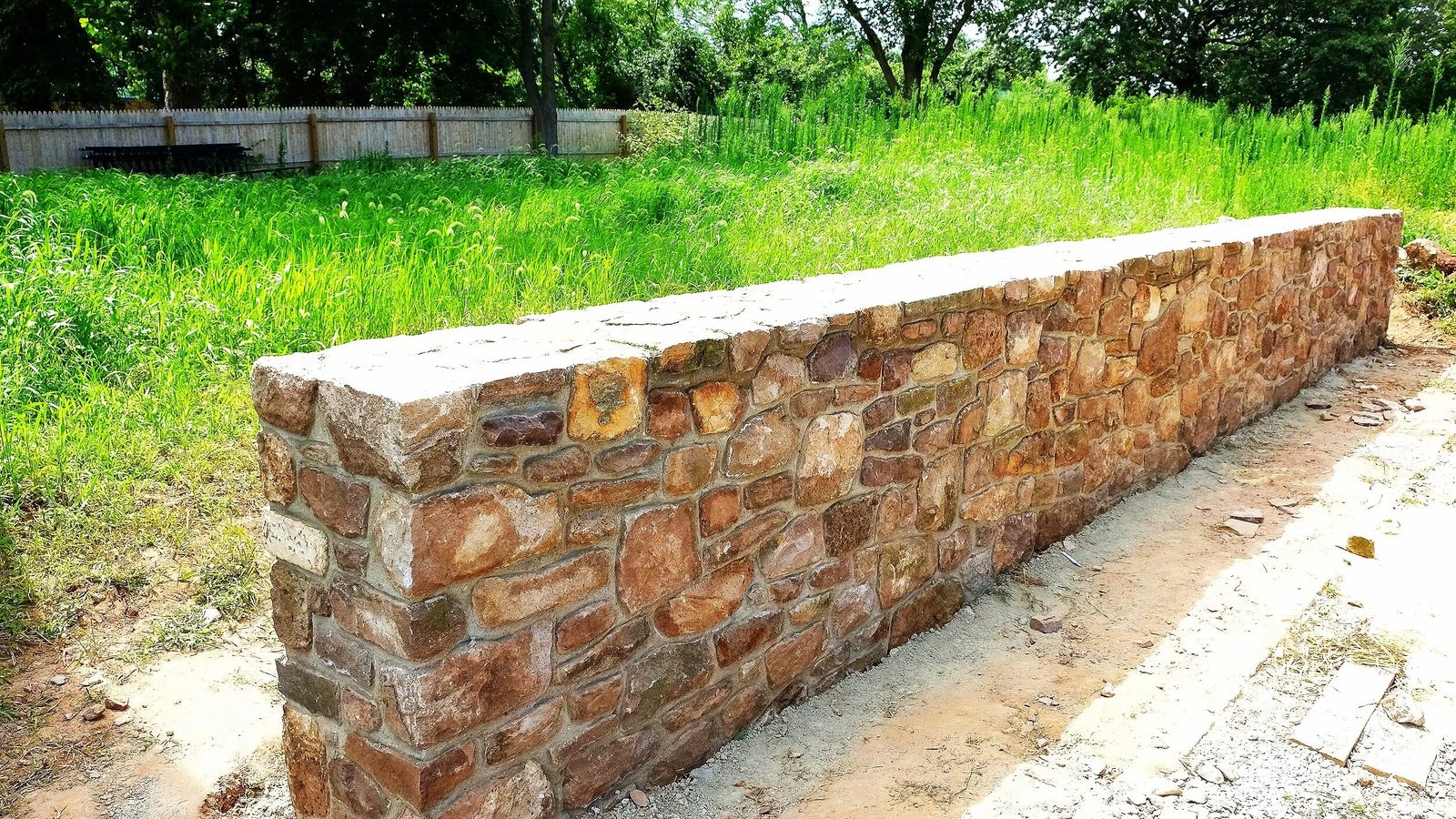
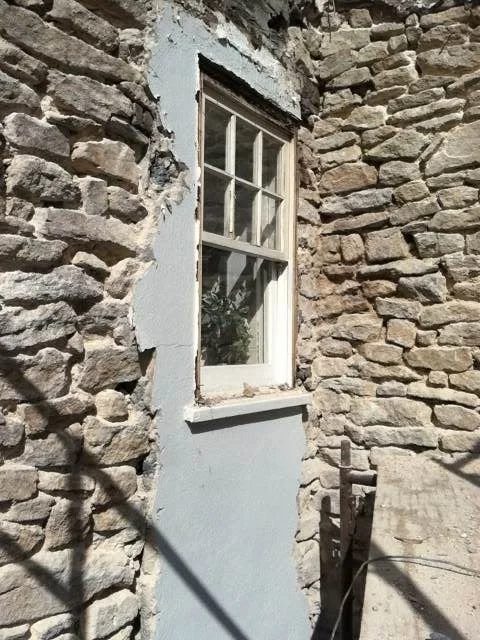
Repointing means raking out failing mortar joints and refilling them with fresh mortar matched to the stone. If you see crumbling or recessed joints, gaps you can fit a coin into, loose stones, or damp patches and peeling plaster inside, it is time to have it looked at.
Why does the type of mortar matter so much?
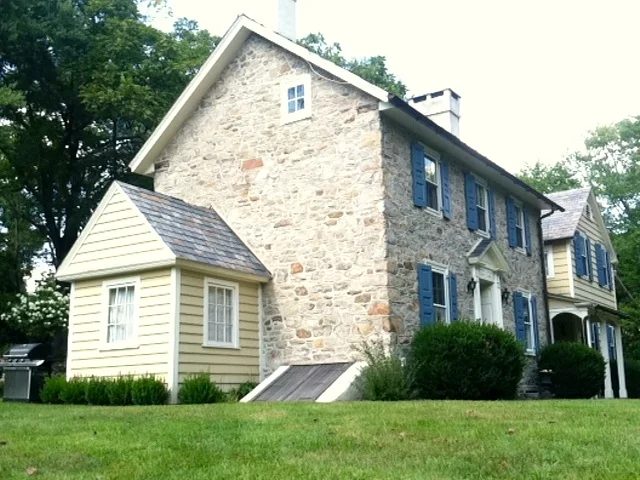
Old Bucks County stone houses were laid in soft lime mortar. Modern Portland cement mortar is harder and less breathable than many old stones, so it traps water and forces the stone to crack and flake instead of the joint. We use lime-rich mortars matched to the original.
Should I seal my flagstone patio or stone wall?
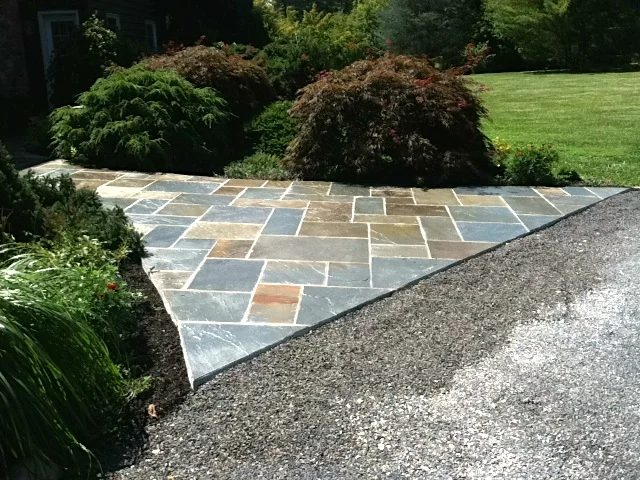
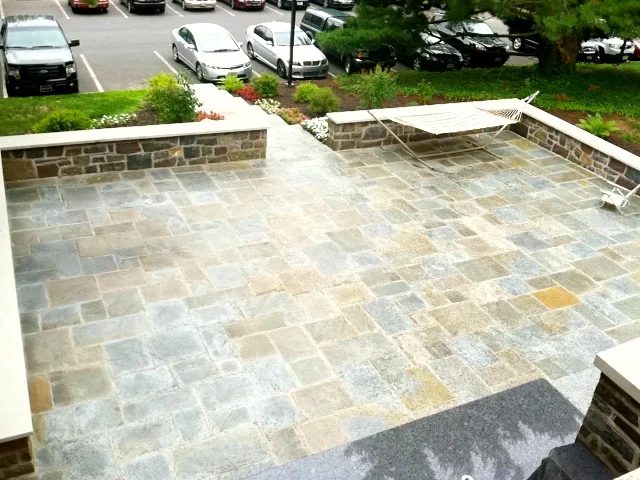
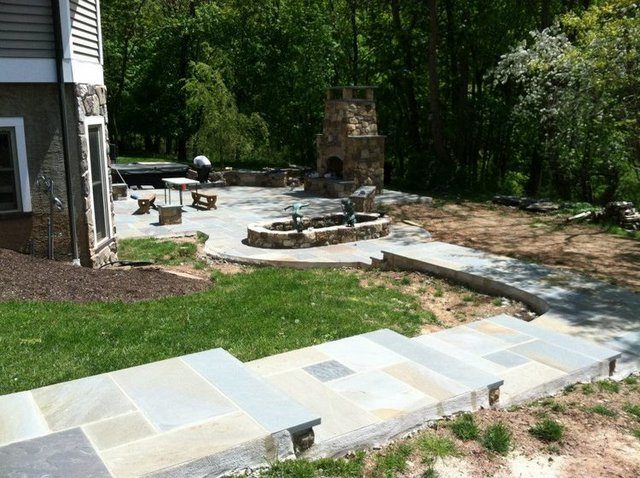
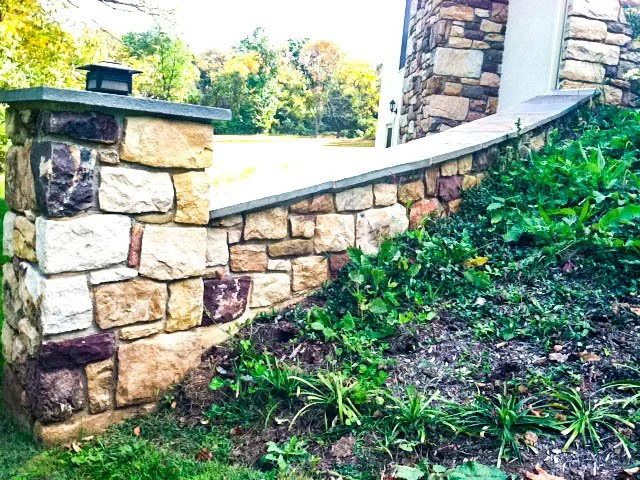
For patios, walkways and garden walls, a breathable penetrating sealer can add years by keeping water, salt and stains out. It only works once the joints are sound, so we repoint first and seal after the mortar has cured. We avoid film-forming coatings, which trap moisture, peel and get slippery.
Is it cheaper to repair or rebuild?
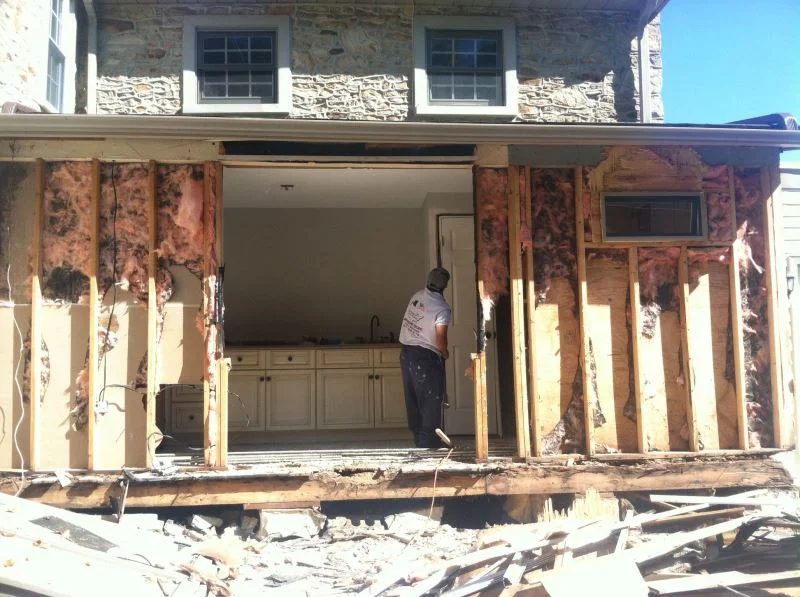
Repair is almost always far less. Repointing, resetting stones and fixing drainage keep the original work in place. A full rebuild is only needed when a section is leaning, bulging or has lost its footing, and even then we reuse the original stone.
How does an estimate work?
Call or send the form and we come to the property. We look at the stonework with you, explain what needs doing now and what can wait, and follow up with a written estimate. The visit and estimate are free.
When is the best time of year for repointing?
Mortar needs to cure without freezing, so most repointing happens from spring through fall. We schedule around the weather and protect fresh joints from hard sun, rain and frost.
Do you work outside Bucks County?
Yes. Most of our restorations are in Bucks County, and we regularly work in Montgomery County and the Main Line, Lambertville and Hunterdon County, Princeton, Chester County and Philadelphia. If your town is not listed, ask.