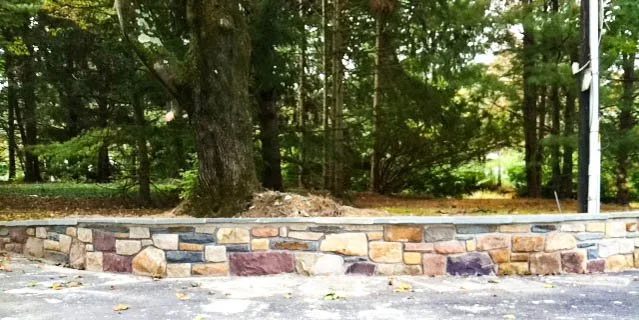
The short answer
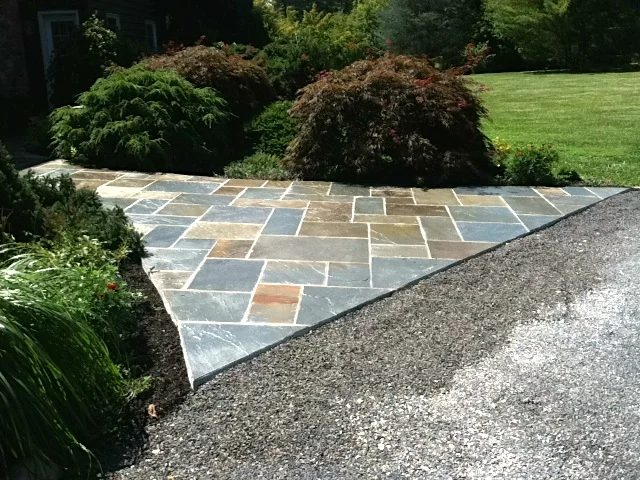
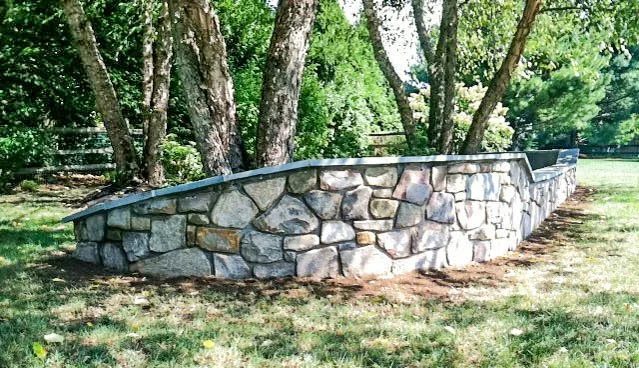
Garden walls, retaining walls, wall caps and pillars that stay wet can benefit from a breathable, penetrating water repellent applied after the joints are repointed and cured. Never use a waterproof coating or paint-like film on stone walls, because it traps moisture inside. For the walls of a historic stone house, a sealer is usually not the answer. Sound lime pointing, working gutters and good grading are the weatherproofing that works, and a repellent is used only where a specific problem calls for one.
People call us about sealing their stone walls for all kinds of reasons: a garden wall that is green with moss, a retaining wall stained white with salt, a damp basement, a pillar cap that has started to crack. Sometimes a sealer is part of the right answer. Often it is not the first thing that should happen.
Stone walls have to breathe
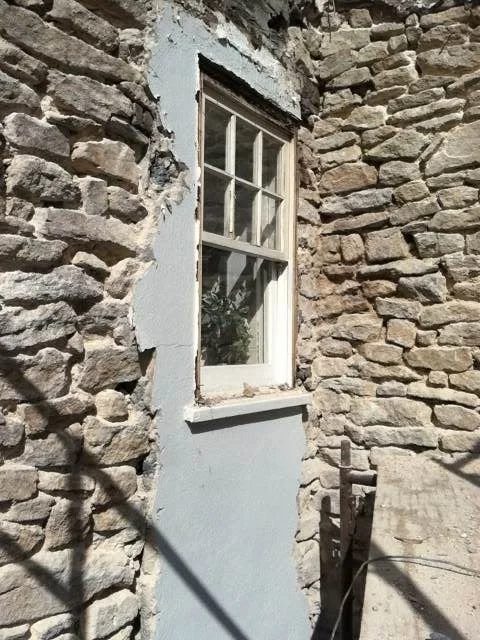
A stone wall gets wet and dries out, over and over. Water goes in through the stone and joints, and comes back out as vapor when the sun and wind dry the wall. Anything that blocks the drying side, such as paint, a waterproof coating or a hard cement skim, traps moisture inside. In winter that trapped water freezes, and the face of the stone starts to pop off.
This is why the word "waterproofing" makes masons nervous. What you want on stone is a water repellent that sheds rain but still lets vapor out, never a film that seals the wall shut.
Where a breathable repellent helps
- Wall caps and pillar caps, which take rain, snow and salt straight on top.
- Garden and seat walls by pools, sprinklers and patios that stay wet much of the time.
- Retaining wall faces that stain or grow algae, once the drainage behind the wall is working.
- Porous stone in very exposed spots, where a test patch shows a real benefit.
In each case, the joints come first. We repoint any failed mortar, let it cure, clean the wall gently, and only then apply a penetrating repellent.
Retaining walls: the water comes from behind
A retaining wall holds back wet soil. If water is building up behind it, no sealer on the front will help, and sealing the face can make things worse by slowing the only path the water has. The fix is drainage: free-draining stone behind the wall, working weep holes and a drain at the footing. Read why stone retaining walls fail.
Old stone houses: be careful
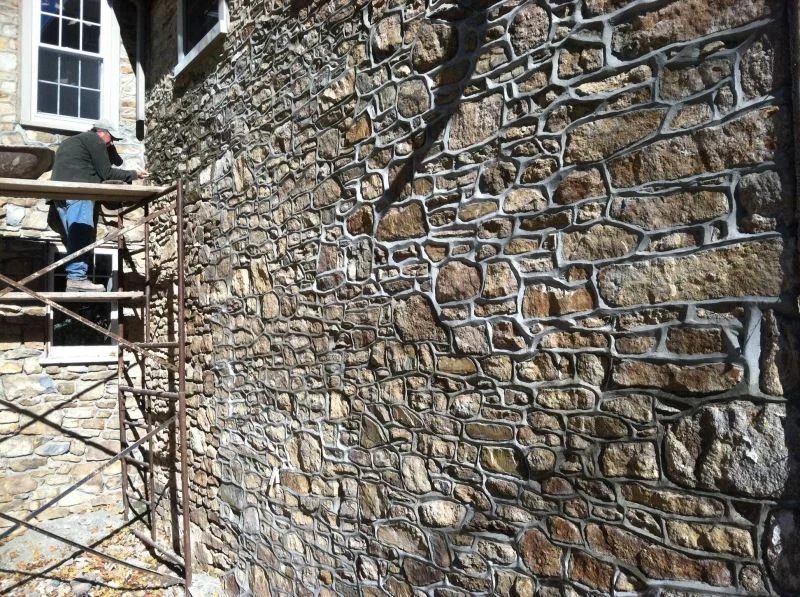
The National Park Service's guidance on historic masonry is clear that water-repellent treatments are often applied when they are not needed, and that they are not a substitute for repointing or for fixing where water comes from. We agree. On an 18th- or 19th-century fieldstone house, the weatherproofing that works is:
- Sound lime mortar joints, repointed as they fail.
- Gutters and downspouts that work and carry water away from the walls.
- Ground that slopes away from the house, with no soil or mulch piled against the stone.
- Chimney caps and flashing that keep water out of the top of the wall.
If one wall still has a specific problem after all of that, such as a very exposed gable taking wind-driven rain, a breathable repellent may be worth testing on a small area first. That is a decision for after the repairs, not before.
The bottom line
Seal caps, garden walls and patios that take a beating, with a breathable penetrating product, after the joints are sound. Do not coat old house walls hoping to fix a leak. Find the water instead. See our stone sealing service or ask us what your walls need.
Questions we hear on site
What is the difference between waterproofing and water repellent?
Will sealing my house's stone walls stop my basement leaking?
Should I seal the cap on my stone wall?
Can sealing hide damaged mortar?
Further reading
About the authors
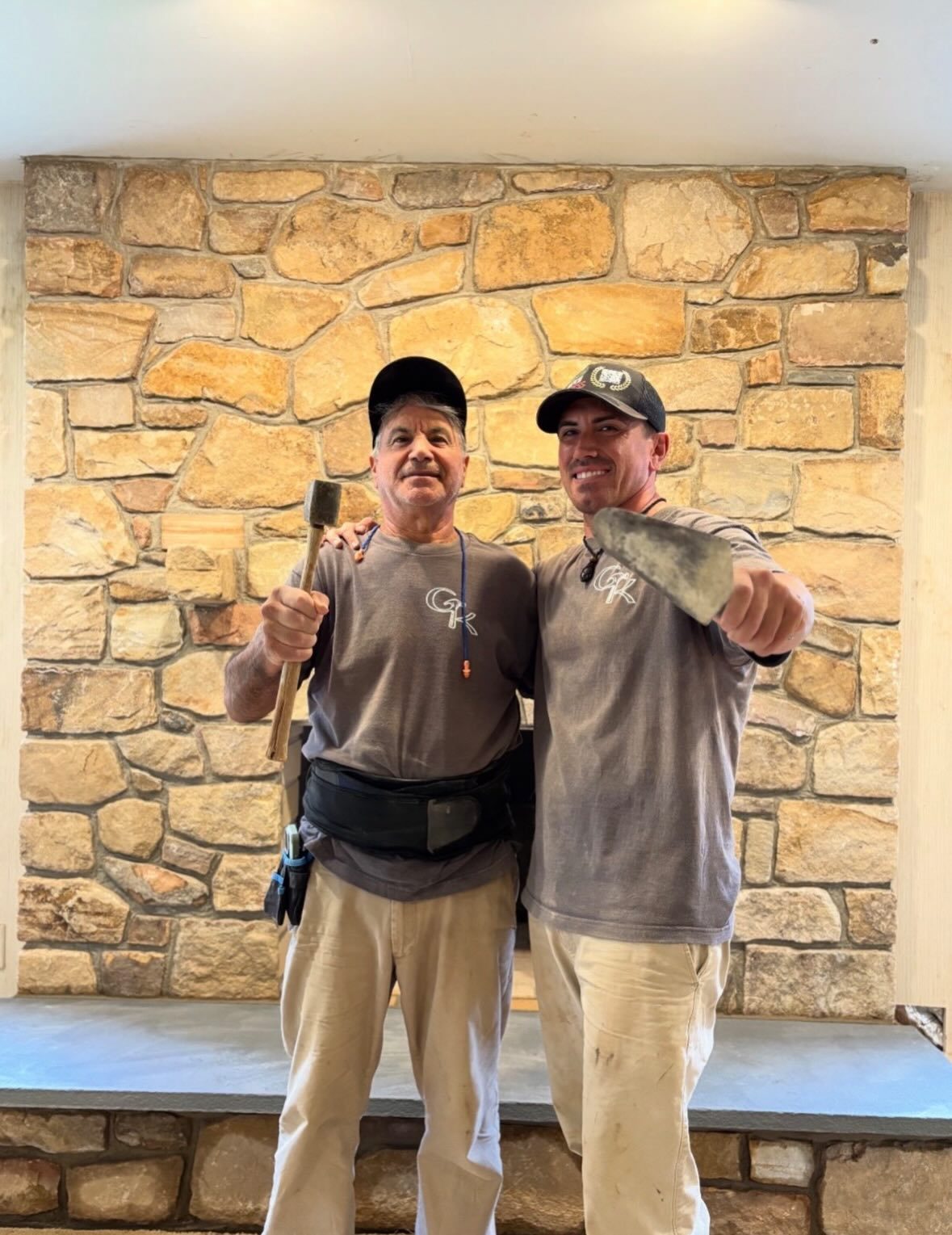
Luciano Sansalone learned stonework at fifteen beside his father and grandfather in Italy and has run American Stone LS in Bucks County for over forty years. His son Alex is the fourth generation. The two of them walk every property, draw every design and set the stone themselves. Read our story.