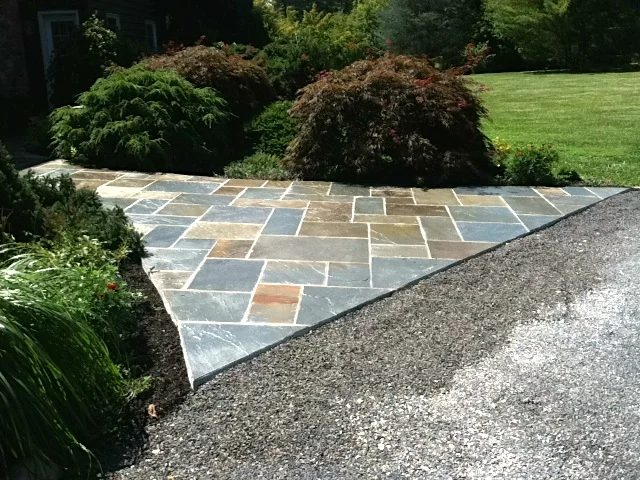
The short answer
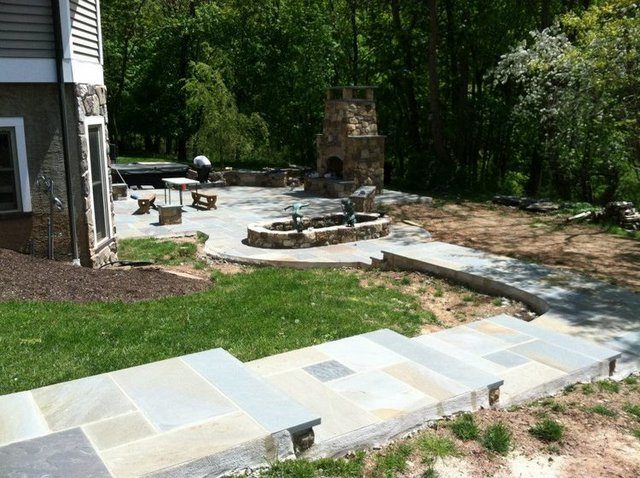
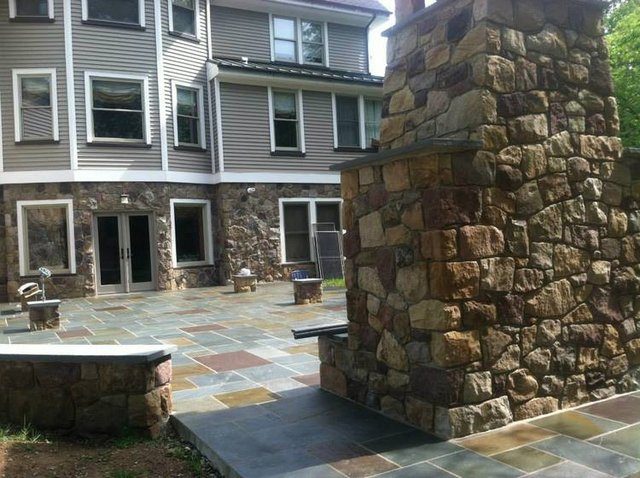
For most flagstone and bluestone patios, walkways and pool surrounds in Pennsylvania, sealing is worth it, as long as it is done in the right order with the right product. Repoint open joints and reset loose stones first. Let the mortar cure and the stone dry completely. Then apply a breathable penetrating sealer, which soaks in and makes water bead off without forming a film. Avoid glossy topical coatings outdoors: they trap moisture, peel and get slippery. Reseal when water stops beading, commonly every few years.
We get asked about sealing on nearly every patio we restore. The honest answer is that sealing can add years to a flagstone or bluestone patio, but only if it comes last. Sealer is the finishing coat on a job done right, not a fix for one done wrong.
What a sealer actually does
Flagstone and bluestone are natural stones with tiny pores. Outdoors they soak up rain, snowmelt, pool water, de-icing salt, leaf tannins, grill grease and everything else. Water that soaks in freezes and expands in winter. Salt crystallizes in the pores. Stains settle in. A good sealer lines those pores so water and dirt bead up and run off instead of soaking in, while still letting moisture vapor escape from below.
Penetrating vs. topical: the choice that matters
Penetrating sealers
Also called impregnating sealers, these soak into the stone and leave nothing on top. The patio keeps its natural look and grip, and there is no film to peel, cloud or wear through in traffic lanes. Because they breathe, moisture coming up from the ground under the patio can still escape. This is what we use.
Topical or film-forming coatings
These sit on the surface like a varnish and often promise a "wet look." Outdoors on stone set over soil, they tend to trap moisture underneath. Then they cloud, blush white, peel at the edges and get slick when wet. Once a coating fails, it usually has to be stripped before you can do anything else.
Fix it first, then seal it
This is where most sealing jobs go wrong. Sealer over open joints does almost nothing, because water simply runs into the joints and under the stone. Before we seal a patio we:
- Rake out and repoint failed joints, and reset any rocking stones.
- Replace cracked stones with matching stone.
- Correct the pitch so water runs away from the house, and move downspouts that dump onto the patio.
- Clean with the gentlest method that works. No high-pressure blasting of joints or soft stone.
- Wait for the new mortar to cure and the stone to dry completely.
Read how to save a flagstone patio for the repair side.
Which patios benefit most
- Pool surrounds, which take splash water and chemicals all summer.
- Front walks and steps that get salted every winter.
- Patios under trees, which stain from leaves, berries and sap.
- Outdoor kitchens and dining areas, where grease and wine spill.
- Shaded patios that stay damp and grow moss and algae.
How often to reseal
Sprinkle water on the stone. If it beads, the sealer is working. If it soaks in and darkens the stone quickly, it is time to reseal. On most patios and walks that is every few years, sooner on pool decks and heavily salted walks. Resealing a penetrating sealer is simple: clean and reapply. There is nothing to strip.
What we tell people about house walls
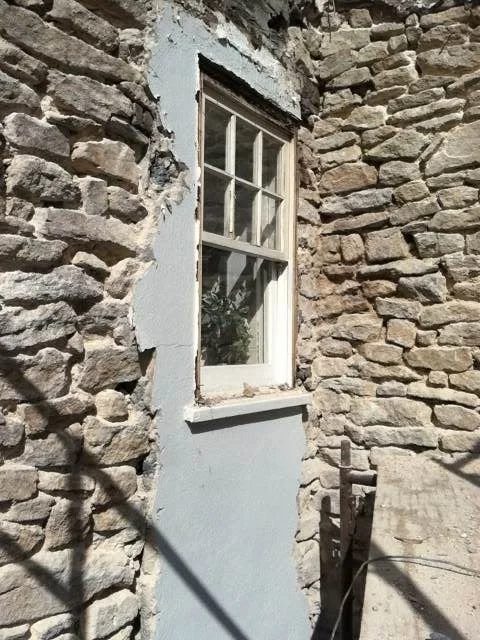
Patios and walks are one thing. The stone walls of an old house are another. Historic walls need to dry out, and the National Park Service warns that water repellents are often applied to old masonry that does not need them. We explain more in sealing stone walls without trapping water. See our stone sealing service, or ask us to look at your patio.
Questions we hear on site
Does sealing bluestone change its color?
How long should new mortar cure before sealing?
Will a sealer stop weeds in the joints?
Is sealing a DIY job?
Can a sealer make my patio slippery?
Further reading
About the authors
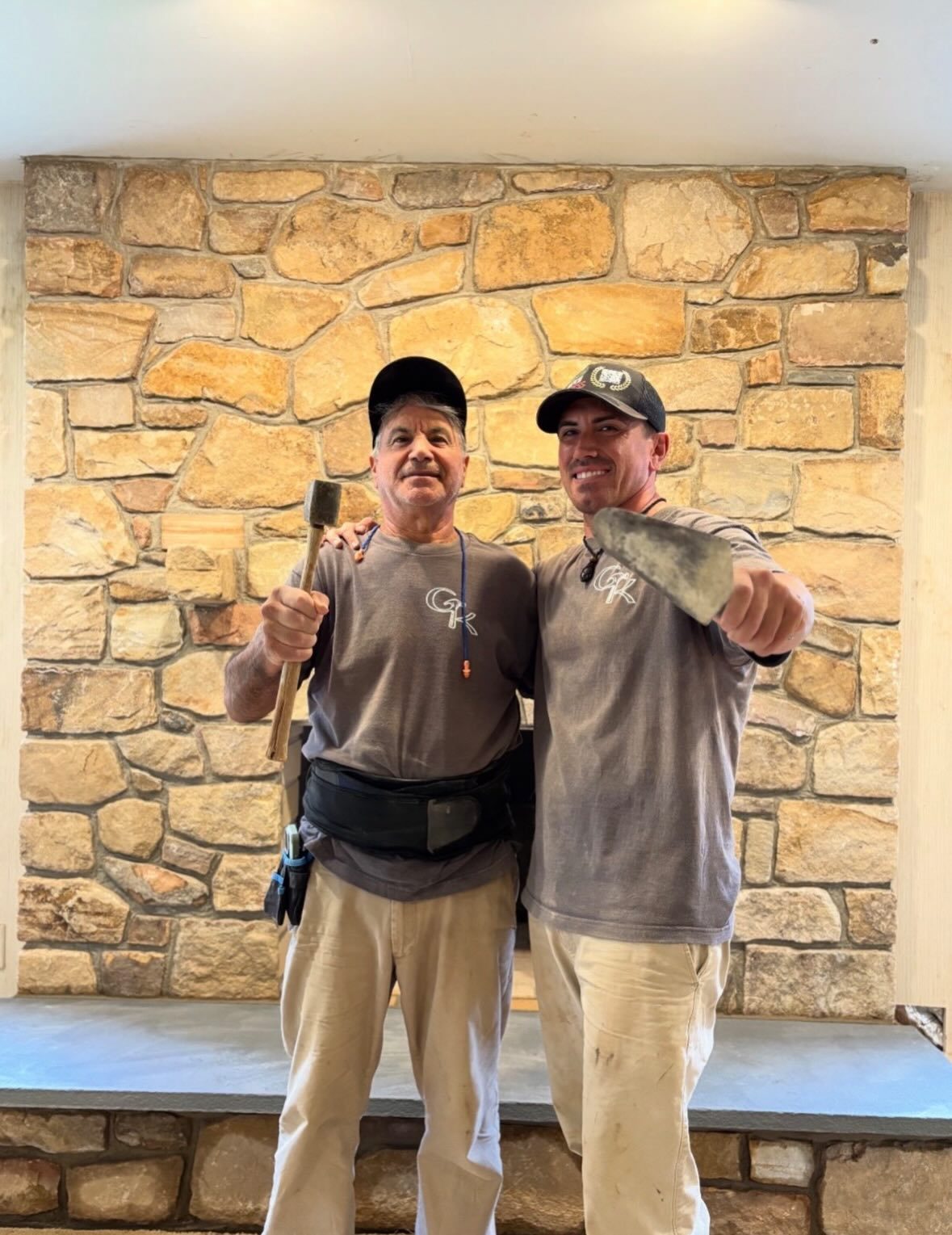
Luciano Sansalone learned stonework at fifteen beside his father and grandfather in Italy and has run American Stone LS in Bucks County for over forty years. His son Alex is the fourth generation. The two of them walk every property, draw every design and set the stone themselves. Read our story.